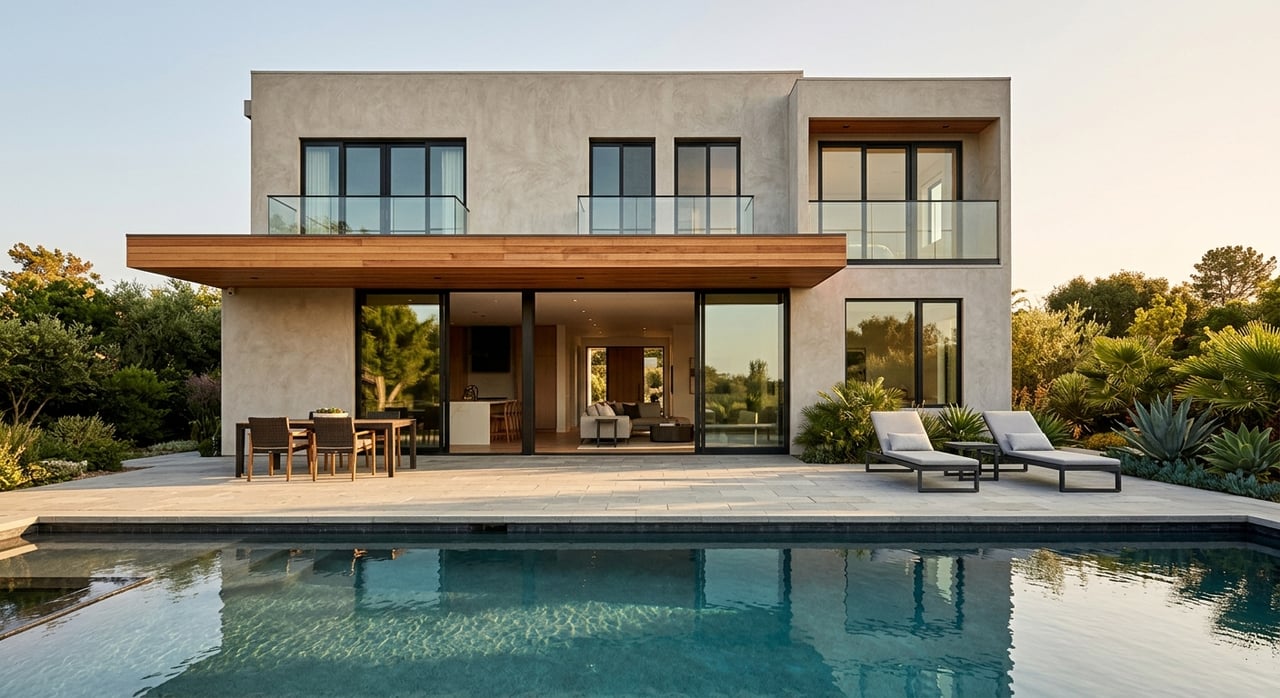
If your Kissimmee vacation rental is sitting open too often, you are not alone. This is a high-demand market, but it is also a crowded one, which means getting more bookings usually comes down to better positioning, not just putting your home online and hoping for the best. The good news is that a few smart changes to your presentation, pricing, and setup can make a real difference. Let’s dive in.
Know what the Kissimmee market is telling you
Kissimmee benefits from strong tourism demand. Osceola County identifies tourism as its main economic driver, and county tourism research reported about 10 million overnight visitors and nearly $6.5 billion in visitor spending. Florida also posted 143.3 million visitors in 2025, with its highest fourth quarter on record, which supports the importance of holiday and winter demand for local hosts.
That said, demand is only part of the story. AirDNA's July 2026 overview for Kissimmee shows 40,269 active short-term rental listings, 55% average occupancy, a $284 average daily rate, and $33.5K in average annual revenue per active listing. In plain terms, there are a lot of competing properties, so your listing has to stand out clearly and quickly.
AirDNA also gives Kissimmee a 95 out of 100 market score and an 81 out of 100 seasonality score. That combination tells you there is opportunity here, but also that performance can swing with the calendar. A flat, set-it-and-forget-it strategy usually leaves money and bookings on the table.
Track the three metrics that matter
Before you change anything, make sure you are measuring the right things. AirDNA points to three core metrics that help you judge whether your updates are working: occupancy, ADR, and RevPAR.
- Occupancy is the share of available nights that get booked.
- ADR is the average nightly rate guests actually pay.
- RevPAR is occupancy multiplied by ADR.
If you improve your photos and occupancy rises, that is useful. If you raise rates and ADR improves but occupancy falls too much, that is useful too. Watching all three together helps you make better decisions instead of guessing.
Improve your listing presentation first
In a market with heavy supply, your listing presentation often has the fastest path to better conversion. Airbnb says guests tend to focus on photos, description, guest reviews, amenities, and pricing when deciding whether to book. That means your first impression has to do real work.
Make photos do the selling
Photos are often the first thing guests notice in search results. Airbnb recommends using natural light, mixing wide shots with close-ups, and creating a photo tour that shows every space guests can access.
For a Kissimmee vacation rental, your photos should answer practical questions fast. Show the pool if you have one, the kitchen setup, sleeping arrangements, parking, outdoor space, and the flow of the home. Clear, honest photos reduce uncertainty, and lower uncertainty helps more guests click and book.
Write a clear, useful title
A short and descriptive title usually works better than one packed with vague hype. Airbnb recommends keeping titles concise and focusing on what the stay is actually like.
That means highlighting real features guests care about, such as:
- Number of bedrooms or sleeping capacity
- Pool or jacuzzi access
- Kitchen features
- Free parking
- Self check-in
- Strong wifi
A title that quickly tells guests what matters can perform better than one that tries to sound flashy.
Use your description to remove doubt
Your description should help guests picture the stay and understand the setup. In practice, that means explaining the layout, sleeping arrangements, parking details, kitchen basics, and anything else that affects convenience.
If there are shared spaces, note them clearly. If your internet speed is a strength, say so accurately. If your home works well for longer stays because it has laundry, a full kitchen, and stable wifi, make that easy to spot.
Highlight the amenities guests search for most
Airbnb says some of the most commonly searched amenities include wifi, a pool, a jacuzzi, a kitchen, TV or cable, air conditioning, a washer and dryer, free parking, and self check-in. If your home has these features, make sure they appear clearly in both the listing details and the photos.
This sounds simple, but many listings bury their best selling points. In a guest's search process, filters matter. If your setup matches what guests are looking for, clear amenity tagging can help your property show up in the right searches.
It also helps to be specific about any child-friendly, pet-friendly, or accessibility-related features. Clear expectations tend to attract better-fit bookings and support better reviews.
Use pricing that matches the season
Kissimmee is not a one-price-all-year market. With strong seasonality and record fourth-quarter statewide visitation in 2025, a seasonal pricing approach makes more sense than using the same nightly rate every month.
Adjust rates with demand
Airbnb's Smart Pricing tool can adjust nightly pricing based on listing and area demand, while still letting you set minimum and maximum price limits. Even if you prefer manual pricing, the larger lesson is the same: your rate should move with the market.
During stronger demand periods, you may be able to protect rate. During softer stretches, a small price adjustment may help improve occupancy. The goal is not always the highest nightly rate. The goal is the best balance between occupancy and ADR.
Watch for pricing pressure
Because Kissimmee has tens of thousands of active listings, pricing pressure is real. If your property is not booking, it may not mean demand is weak. It may mean nearby options are doing a better job with presentation, flexibility, or value.
That is why it helps to compare your listing against nearby short-term rental comps before making changes. A local real estate advisor with investor experience can help you assess whether the issue is rate, setup, or property positioning.
Loosen minimum stays to fill gaps
One of the easiest ways to open up more booking opportunities is to review your minimum-night settings. Airbnb says lowering the minimum trip length can help a listing appear in more search results and make it easier to fill calendar gaps.
If you are using a rigid minimum stay year-round, you may be blocking guests who would otherwise book. That is especially important in a seasonal market where travel patterns can shift across weekends, holidays, and slower periods.
Use custom rules strategically
Airbnb also allows custom minimum-night rules by check-in day. That can help you fill awkward openings between longer reservations without discounting every date on the calendar.
For example, if a three-night gap keeps appearing between bookings, a shorter rule for that window may help convert unused nights into revenue. Small adjustments like this can improve occupancy without changing the whole pricing strategy.
Offer weekly or monthly discounts when needed
Airbnb notes that weekly discounts apply to stays of seven or more nights and monthly discounts apply to stays of 28 or more nights. Discounts of 10% or more are also highlighted in search results.
Longer stays can increase occupancy, reduce turnover, and lower the amount of operational work between guests. In softer periods, that flexibility can be especially useful.
Make longer stays feel easy
If you want to attract weekly or monthly guests, your home should support that use well. Airbnb says longer-stay guests usually want essentials, a well-equipped kitchen, laundry, stable wifi, and a guidebook that helps them settle in.
In other words, longer-stay appeal is not just about a discount. It is about making the property practical for someone staying beyond a quick weekend trip.
Keep your calendar open and your response time fast
Airbnb says hosts can extend the availability window up to 24 months ahead. That can help you capture early planners and holiday travelers before they choose another property.
If your calendar is only open a short time in advance, you may be missing demand that books earlier. In a destination market like Kissimmee, some guests plan well ahead, especially around popular travel periods.
Airbnb also recommends responding to inquiries and trip requests within 24 hours. Fast communication is part of occupancy strategy, not just customer service. Better responsiveness can make booking easier and supports stronger reviews and star ratings over time.
Protect bookings with clean operations
A booking strategy only works if your operations support it. Airbnb notes that better reviews and ratings make a listing more appealing, which means cleanliness, accuracy, and timely communication matter directly to future occupancy.
Florida's DBPR also requires vacation rentals to be kept clean, safe, and in good physical condition. That includes current licenses being displayed, clean linens, soap availability, sanitized dishes when applicable, and basic fire-safety items such as smoke detectors.
When guests get what they expected and the stay runs smoothly, reviews tend to reflect that. In a competitive market, small operational misses can cost you more than one booking.
Stay compliant in Kissimmee and Osceola County
If you want to keep your Kissimmee vacation rental booked more often, compliance needs to be part of your plan. A property that looks great online but runs into licensing, zoning, or tax issues can quickly become a bigger problem.
Confirm the property can operate legally
Osceola County says hosts should first verify that zoning allows short-term rentals, then apply for a DBPR vacation rental license and register a Local Business Tax Receipt. The county also notes that the STRPD district exists for short-term rental housing and that additional rules may apply in subdivisions or planned developments.
If the property is inside the City of Kissimmee, the city says a business tax receipt is required before a business opens. Businesses inside city limits need both a city business tax receipt and an Osceola County business tax receipt.
Understand the tax side
Osceola County Tax Collector materials state that the county's Tourist Development Tax rate is 6%, and owners or agents are responsible for collecting and remitting it on short-term rentals. The Florida Department of Revenue also says transient rentals are subject to state sales and use tax and local option transient rental taxes.
That means your operating model needs to account for compliance, not just gross revenue. Clean records and a clear setup are important for current operations and for future resale.
Think like an owner, not just a host
If you own or plan to buy a vacation rental in Kissimmee, occupancy strategy should connect to the property's long-term value. A home with stronger presentation, a better booking setup, and cleaner compliance is often easier to operate and easier to evaluate later.
That is one reason due diligence matters so much in this market. Before you buy, it helps to check zoning overlays, confirm the licensing path, review any HOA or planned-development restrictions, and compare the home against nearby short-term rental comps.
For many owners, the best results come from treating the property like a business asset. When you combine strong visuals, flexible pricing, practical amenities, and clean compliance, you give your rental a better chance to compete in a crowded Kissimmee market.
If you are buying, selling, or evaluating a Kissimmee short-term rental, working with a local advisor who understands both residential real estate and investor goals can help you avoid expensive missteps. For personalized guidance on vacation rental properties in Central Florida, reach out to Ken Burningham.
FAQs
What helps a Kissimmee vacation rental get more bookings?
- The biggest levers are usually better photos, clear amenity highlights, competitive seasonal pricing, flexible minimum stays, fast response times, and strong guest reviews.
What are the key short-term rental metrics in Kissimmee?
- The main metrics to watch are occupancy, ADR, and RevPAR, since they show whether your pricing and listing changes are actually improving performance.
Should you use the same nightly rate all year in Kissimmee?
- Usually no. Kissimmee has meaningful seasonality, so adjusting pricing for stronger and slower periods is generally more effective than using one flat rate year-round.
What amenities matter most for Kissimmee vacation rental guests?
- Commonly searched amenities include wifi, a pool, a jacuzzi, a kitchen, TV or cable, air conditioning, a washer and dryer, free parking, and self check-in.
What licenses are needed for a short-term rental in Kissimmee or Osceola County?
- Hosts generally need to verify zoning, obtain the proper DBPR vacation rental license, and register for the required local business tax receipt, with city properties needing both city and county business tax receipts.
What taxes apply to short-term rentals in Osceola County?
- Osceola County states that the Tourist Development Tax rate is 6%, and short-term rentals are also subject to applicable state sales and use tax and local option transient rental taxes.