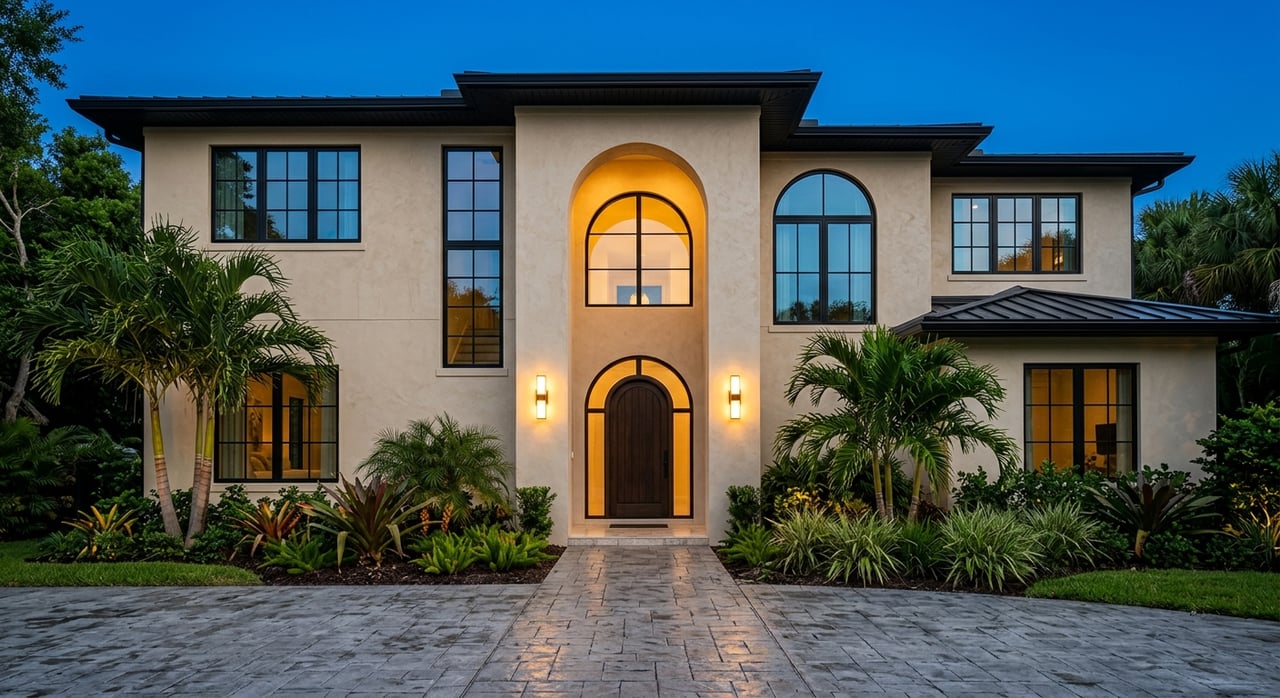
Buying new construction in Lake Nona can feel exciting right up until the details start piling up. Between builder contracts, lot choices, timelines, inspections, fees, and closing costs, it is easy to wonder what you might miss. This roadmap will help you understand the key steps, the questions to ask, and the Florida-specific checkpoints that matter most so you can move forward with more confidence. Let’s dive in.
Why Lake Nona attracts new-build buyers
Lake Nona is a 17-square-mile master-planned community next to Orlando International Airport. It is known for its mix of healthcare, sports, technology, education, and business, along with amenities like trails, parks, events, Medical City, and Town Center destinations.
For many buyers, the appeal goes beyond the home itself. When you buy in Lake Nona, you are also buying into a large planned community that is still growing and evolving. That can create opportunity, but it also means you need to look closely at the community, builder, and long-term costs before you sign.
Start with the right lot and community
Before you focus on design selections or incentives, make sure the lot fits your day-to-day needs. In a planned community, two homes from the same builder can offer very different experiences depending on location, traffic flow, nearby amenities, and monthly fees.
It helps to ask practical questions early. Look at commute routes, amenity access, lot orientation, and what may still be built nearby. A polished model home can make the decision feel simple, but your real lifestyle will be shaped by the exact homesite you choose.
Verify school assignment by address
If school assignment matters to your move, verify it by the exact property address or lot. Orange County Public Schools publishes attendance zone maps and also notes that rezonings can affect Lake Nona-area schools, including Lake Nona High School and Lake Nona Middle School.
The key takeaway is simple: do not rely only on community marketing language. Boundaries can change, so confirm the lot directly through the current district mapping tools before you make a final decision.
Evaluate the builder before signing
Price matters, but it should not be your only filter. UF/IFAS recommends choosing a builder based on reputation, competence, professionalism, warranty coverage, and experience.
You should also confirm the builder’s license and active insurance. If possible, talk with recent buyers about communication, how change requests were handled, whether there were unexpected costs, and how quickly issues were resolved.
Questions to ask the builder
Before you sign a contract, ask for clear answers to these points:
- What is included in the base price?
- Which upgrades cost extra?
- When do design selections and change orders become final?
- Can you verify your license, insurance, and recent projects?
- Are pre-drywall and final inspections allowed?
- How will the final walkthrough be handled?
- What are the expected HOA dues, amenity fees, taxes, and insurance costs?
These questions matter because changes during construction can create surprise costs. A builder’s responsiveness before contract is often a good preview of what communication may look like during the build.
Understand permits and county inspections
In Orange County, the Division of Building Safety reviews plans, issues permits, and performs inspections for compliance with the Florida Building Code, the National Electrical Code, and county regulations. The county also notes that most permit types require a licensed contractor.
For you as a buyer, this means the permit and inspection process is not just a builder back-office detail. It is part of your due diligence. A new home also needs a Certificate of Occupancy before it can be occupied, so you should understand where the home stands in that process as closing approaches.
Know the Florida contract checkpoints
A new-construction contract is more than a purchase price and closing date. In Florida, contract language, payment timing, and warranty details can all affect your risk.
One important point is Florida’s construction lien law. For direct contracts over $2,500 for residential improvements, the contract must include a bold notice explaining that unpaid subcontractors or suppliers may file a lien against the property, even if the owner already paid the contractor.
Why lien language matters
This is one reason buyers should pay close attention to payment procedures and documentation. Florida law advises owners to request written lien releases before making payments.
Even if your builder handles most of the process, it is still worth understanding what the contract says and when funds are released. A careful review upfront can help you avoid confusion later.
Compare warranties the right way
Starting July 1, 2025, Florida has a mandatory builder-warranty statute for newly constructed homes. The builder must warrant covered construction defects that create a material violation of the Florida Building Code for one year after title transfer or initial occupancy, whichever comes first.
That said, an express written warranty can replace the statutory warranty if it provides the same or greater scope and duration and transfers to a new owner during at least the initial year. Appliances covered by manufacturer warranties are excluded from the statutory requirement.
Builder warranty vs. home warranty
This is where many buyers get tripped up. A builder warranty is not the same thing as a home warranty or service contract.
Consumer guidance from the FTC notes that new-home warranties are often limited and may not cover appliances or minor cosmetic cracking. If you are using FHA or VA financing, the builder generally must buy a third-party warranty for newly built homes financed with those programs.
Review financing and credits carefully
If you are buying your first Florida home, you may want to ask whether you qualify for Florida Housing’s Homebuyer Program. The program description says eligible buyers may access a 30-year fixed-rate mortgage and possible down-payment and closing-cost assistance through participating lenders.
The current program details also note that buyers must use an approved participating lender, complete approved homebuyer education, meet county income and purchase-price limits, and have a minimum credit score of 640.
Look past builder and lender credits
Credits can be helpful, but they are not always free savings. CFPB notes that a seller credit may be offset by a higher purchase price, and a lender credit may come with a higher loan amount or interest rate.
That is why you should compare the full picture, not just the headline incentive. A lower out-of-pocket cost today may mean a higher monthly payment or larger long-term cost tomorrow.
Budget for the full monthly payment
One of the biggest mistakes in new construction is focusing too much on the base price. Your actual monthly housing cost may include principal, interest, property taxes, mortgage insurance, homeowner’s insurance, supplementary insurance such as flood insurance, and HOA fees.
CFPB also notes that HOA dues are usually separate from the mortgage payment and can range from a few hundred dollars to more than $1,000 per month. In a master-planned area like Lake Nona, that broader amenity structure makes it especially important to total everything before you commit.
Costs to calculate early
Before you finalize a contract, estimate:
- Mortgage payment
- Property taxes
- Homeowner’s insurance
- Flood insurance, if applicable
- Mortgage insurance, if applicable
- HOA dues
- Amenity or community fees
- Expected closing costs
A home that looks comfortable on paper can feel very different once every recurring cost is added in.
Ask about flood and disaster risk
Florida buyers should ask direct questions about flood and disaster risk before making an offer. CFPB says homes in FEMA Special Flood Hazard Areas generally require flood insurance if financed with a mortgage.
It also notes that flood insurance may cost more for a new owner than for the current owner. That means a lot that first appears affordable may carry a meaningfully higher monthly cost after insurance is quoted.
Use a smart inspection strategy
New construction still needs inspection. CFPB recommends scheduling an independent home inspection as soon as possible, and if your contract is contingent on a satisfactory inspection, you may be able to cancel without penalty if the inspection is not acceptable.
For many buyers, the best approach is to inspect the home more than once if the builder allows it. Problems are often easier to fix before finishes are complete and before you move in.
Why pre-drywall matters
ENERGY STAR guidance explains that pre-drywall verification is especially valuable because insulation, air sealing, ductwork, rough-ins, and framing details are still visible at that stage. Once drywall goes up, many important details are hidden.
If your builder allows a pre-drywall inspection and a final inspection near completion, that can give you a much clearer picture of the home’s condition before closing.
Prepare for closing day
As closing gets closer, focus on the documents and final numbers. CFPB says you must receive the Closing Disclosure three business days before settlement.
Use that time to compare the final figures to your Loan Estimate. Review the loan amount, interest rate, monthly payment, points, and credits, and ask questions if anything looks different than expected.
Shop for closing services
CFPB also recommends shopping for title insurance and other closing services because costs can vary. A lender’s recommended provider may be affiliated with the lender and may not be the lowest-cost option.
Closing costs often include appraisal fees, title insurance, government taxes, and prepaid items such as property taxes, homeowner’s insurance, and interest until your first payment is due. Seeing those numbers early can help prevent last-minute surprises.
Keep your post-closing checklist simple
Once you close, your work is not completely finished. If the home will be your primary residence, think about homestead exemption right away.
Florida law says county property appraisers may send homestead reminders and that applications are generally filed on or before March 1 for the current year. Orange County also provides an online homestead exemption application portal.
Save every warranty document
Keep your builder warranty, manufacturer warranties, permit records, inspection reports, and closing paperwork together in one place. Good records make it easier to report defects and track warranty deadlines during your first year in the home.
A clear paper trail can save time if questions come up after move-in. It also helps you stay organized if you need service, repairs, or clarification from the builder.
If you are planning a Lake Nona new-construction purchase, the best next step is to slow the process down just enough to ask better questions. With the right lot, the right builder, and a clear view of your full costs and protections, you can make a smart move with fewer surprises. When you want local, hands-on guidance through the process, connect with Ken Burningham.
FAQs
What should you ask before buying a new construction home in Lake Nona?
- Ask what is included in the base price, when upgrades become final, whether independent inspections are allowed, what the monthly HOA and insurance costs may be, and how the final walkthrough and warranty process will work.
How do you verify school assignment for a Lake Nona new construction home?
- Verify the exact lot address through Orange County Public Schools attendance-zone maps because Lake Nona-area boundaries and rezonings can change.
Do new construction homes in Lake Nona still need an independent inspection?
- Yes. Independent inspections are still important, especially at pre-drywall and near completion, because they can catch issues before finishes are covered or before you move in.
What does the Florida builder warranty cover on a new home?
- For newly constructed homes, Florida’s mandatory builder-warranty statute covers certain construction defects that result in a material violation of the Florida Building Code for one year after title transfer or initial occupancy, unless an express written warranty with equal or greater coverage replaces it.
What costs should you budget for with a Lake Nona new build?
- Budget for the mortgage payment, property taxes, homeowner’s insurance, flood insurance if needed, mortgage insurance if applicable, HOA dues, amenity fees, and closing costs.
What should you review before closing on a new construction home in Florida?
- Review the Closing Disclosure at least three business days before settlement, compare it to the Loan Estimate, confirm your final loan terms and credits, and check all closing costs and prepaid items carefully.